Golden Gate Park: Iconic San Francisco Attraction for Tourists
Navigating Golden Gate Park: A Detailed Handbook for San Francisco's Downtown Oasis
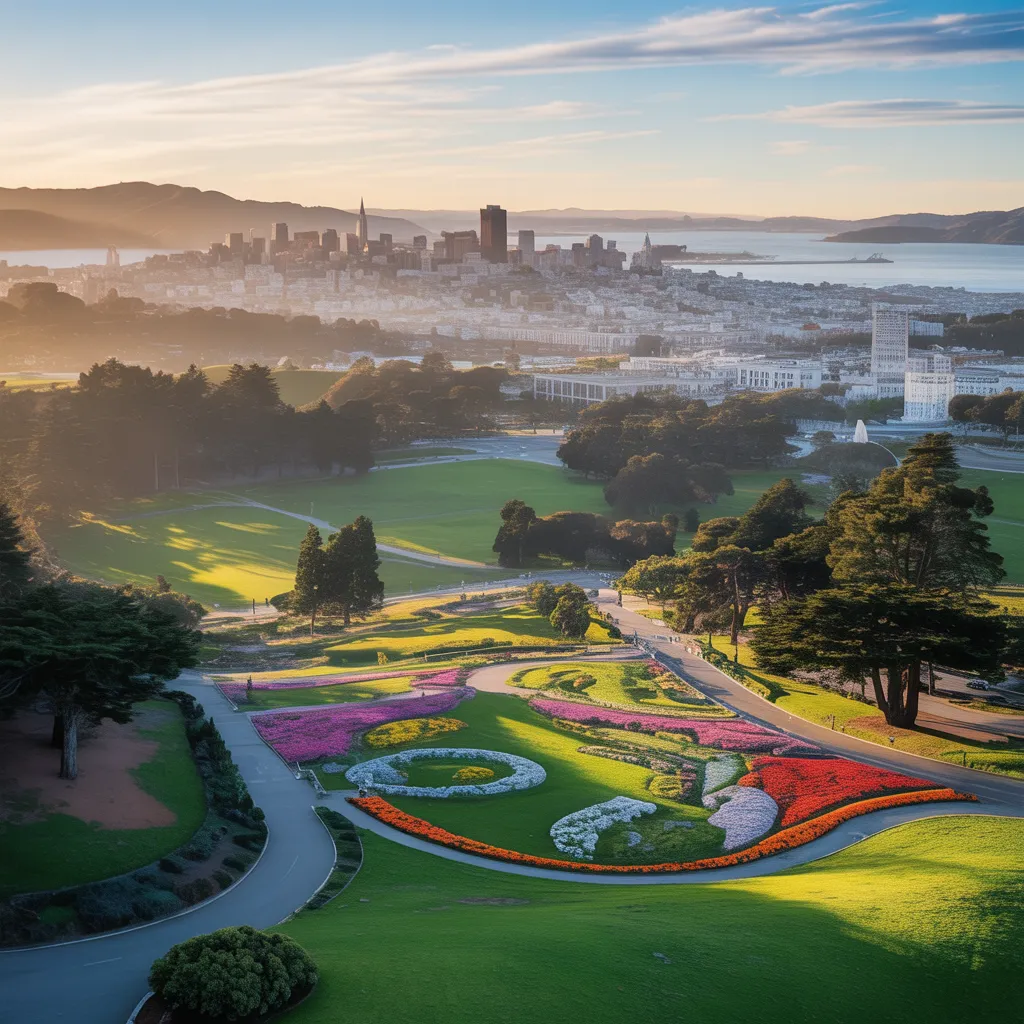
Golden Gate Park operates as San Francisco's extensive metropolitan escape, offering a mixture of environmental splendor and cultural wealth. Extending over over 1,000 acres, it showcases varied landscapes, iconic landmarks, and captivating attractions. Visitors can discover a variety of activities, from tranquil gardens to active museums. Yet, the park houses many overlooked attractions waiting to be revealed. What establishes this destination genuinely distinctive?
A Summary of Golden Gate Park: What to Prepare For
Golden Gate Park, often viewed as San Francisco's natural center, offers visitors a wide variety of things to do. Covering over 1,000 acres, this urban oasis features lush gardens, serene ponds, and meandering walkways. Visitors can enjoy a combination of environmental splendor and artistic attractions, making it a excellent spot for recreation and adventure.
The park provides numerous recreational opportunities, comprising hiking, biking, and picnicking, delivering areas for both rest and recreation. Cultural experiences can be found at the California Academy of Sciences and the de Young Museum, displaying art and science in special settings. Additionally, the park's plant garden provides an overview of numerous plant species from around the world.
Seasonal events and festivals greatly elevate the experience, drawing locals and tourists alike. Golden Gate Park presents a invigorating sanctuary, inviting everyone to experience its colorful surroundings and entertaining options.
Finding Celebrated Landmarks in Golden Gate Park
Golden Gate Park houses several iconic landmarks that attract both local residents and tourists. Among these, the peaceful Japanese Tea Garden offers a tranquil escape, while the California Academy of Sciences displays a combination of education and entertainment. These sites highlight the park's diverse attractions and its significant cultural significance.
Japanese Tea Garden is a tranquil sanctuary showcasing traditional Japanese landscaping and heritage features.
Within the dense grounds of Golden Gate Park lies the Japanese Tea Garden, offering a calming escape that captivates visitors with its beautiful charm. Founded in 1894, this beautiful garden is the oldest one of its type in the United States, featuring authentic Japanese landscaping art. Visitors stroll along meandering paths, crossing arched bridges and admiring koi-filled ponds. The diligently truncated plants, vibrant cherry blossoms, and intricately designed lanterns create a quiet setting. A tea house offers authentic Japanese tea, letting guests dive fully in the experience. Seasonal occasions, including the cherry blossom festival, further highlight its allure. The Japanese Tea Garden stands as a emblem of cultural harmony, providing a quiet haven amid the busy city.
California Academy Of Sciences functions as a notable establishment
The California Academy of Sciences serves as a beacon of scientific exploration and education within Golden Gate Park. This renowned institution contains an aquarium, planetarium, natural history museum, and a rainforest dome, providing visitors a distinctive view into the wonders of the natural world. Its impressive architecture, displaying a living roof, blends seamlessly with the park's landscape. Exhibits present diverse ecosystems and inform the public about environmental conservation. The academy also organizes various events and programs aimed at engaging all ages in science and nature. From interactive displays to live animal encounters, the California Academy of Sciences remains dedicated to inspiring curiosity and promote a deeper understanding of the planet, establishing it a must-visit landmark in Golden Gate Park.
Stunning Landscapes and Tranquil Areas to Experience
Golden Gate Park displays magnificent green spaces and serene areas suited for unwinding. The iconic Japanese Tea Garden provides a peaceful atmosphere with its meticulously arranged landscapes, while the Stow Lake area affords a peaceful sanctuary surrounded by nature. Together, these spots beckon visitors to decompress and appreciate the allure of the park.
Renowned Japanese Tea Garden
While guests wander through Golden Gate Park, the renowned Japanese Tea Garden provides a serene retreat brimming with lush flora and elaborate design. Founded in 1894, this garden is the oldest of its kind in the United States, showcasing traditional Japanese landscaping techniques. Visitors can admire the carefully curated cherry blossoms, koi ponds, and arched bridges that form a picturesque atmosphere. The winding paths invite exploration, directing to tranquil spots ideal for reflection. A teahouse, serving matcha and snacks, improves the experience, allowing guests to savor the moment while engrossed in the garden's beauty. As the seasons change, the garden evolves, delivering a unique experience year-round, making it a must-visit oasis within the lively park.
Calm Stow Lake District
Nestled within Golden Gate Park, Stow Lake provides a serene haven where guests can immerse themselves in nature's beauty. This calm area is characterized by its Golden Gate Park activities scenic trails, lush gardens, and a charming lake that encourages relaxation. A leisurely stroll around the water displays stunning views of the adjacent foliage and the iconic Stow Lake Boathouse, where paddle boats are available for rent. The nearby gardens, filled with colorful flowers and varied plant life, create a tranquil atmosphere perfect for picnics or quiet reflection. Birdwatchers will enjoy the assortment of species that inhabit the area, enhancing the natural experience. Overall, Stow Lake serves as an picturesque retreat within the vibrant city, offering a perfect blend of recreation and tranquility.
Golden Gate Park's Art Venues: Essential Museum Collections
An mix of cultural experiences await visitors in Golden Gate Park, with its centers presenting a rich tapestry of art, history, and science. The de Young Museum excels with its diverse American art selection, spanning from the 17th through the 21st centuries, and its striking architecture. Nearby, the California Academy of Sciences captivates with its aquarium, planetarium, and natural history exhibits, making it a preferred choice for families and science enthusiasts alike. The Japanese Tea Garden, while primarily a serene outdoor space, also features elements of cultural significance, including traditional tea ceremonies that reflect Japanese heritage. Additionally, the Conservatory of Flowers presents a stunning array of botanical specimens, combining horticulture with educational displays. Together, these institutions deliver enriching experiences that highlight the artistic and historical narrative of both the region and the broader world, making them essential stops for anyone exploring Golden Gate Park.
Outdoor Activities and Occasions for Every Age Group
What makes Golden Gate Park a leading location for outdoor enthusiasts? The park offers a broad selection of activities and events that address all ages. Families can appreciate outdoor dining on the vast lawns, while children delight in playgrounds created for their pleasure. For those seeking thrills, the park displays miles of trails perfect for hiking, running, or biking. The scenic beauty of the gardens, such as the Japanese Tea Garden and the Rose Garden, offers a serene setting for casual walks.
Throughout the year, Golden Gate Park organizes multiple activities, presenting outdoor concerts, cultural festivals, and seasonal activities, confirming there is always something happening. The park's vibrant setting bolsters community engagement, facilitating visitors to connect with nature and each other. With its blend of recreational opportunities and engaging events, Golden Gate Park clearly stands as an urban oasis for outdoor fun, appealing with both locals and tourists alike.
Tips for Navigating Golden Gate Park Effectively
Golden Gate Park's extensive area can be both a blessing and a obstacle for guests keen to visit its many points of interest. To traverse the park smoothly, it is wise to start with a map or a mobile app that indicates notable sites, such as the de Young Museum and the Japanese Tea Garden. Planning a plan in advance can help prioritize top attractions while minimizing backtracking.
Utilizing mass transit, such as the N-Judah Muni line, can facilitate access to various park entrances easier. Additionally, renting a bike offers a quicker way to cover larger distances and discover hidden gems. Visitors should also consider the time of day; early mornings or weekdays often provide a more serene experience. Finally, staying hydrated and taking breaks at designated picnic spots can improve the overall enjoyment of this urban oasis.
Regularly Posed Inquiries
What times does the Park operate from opening to closing?
Golden Gate Park usually opens at 5 AM and closes at 10 PM every day. That said, specific destinations located in the park may have different hours, so visitors should verify details for individual attractions before scheduling their outing.
Can you bring animals to Golden Gate Park?
Pets are permitted in Golden Gate Park, but they must stay on a leash at all times. Certain areas, like playgrounds and specific trails, may have restrictions. Always consult local regulations for updated guidelines regarding pet access.
Does Golden Gate Park Charge an Entrance Fee?
There is not any entrance fee for Golden Gate Park. Visitors can enjoy the wide green spaces, gardens, and attractions without any cost. Parking fees may apply in some areas, but entry remains free for all.
How Can I Find A Place to Park Near the Park?
Locating parking close to the park is possible in marked spaces, street spaces, and nearby neighborhoods. Visitors should think about using the California Academy of Sciences parking lot or checking local apps for real-time availability.
Can you discover any guided tours in Golden Gate Park?
Yes, guided tours are available in Golden Gate Park, providing information into its past, botanical areas, and attractions. Visitors can select from walking, cycling, or segway tours, each providing a unique view on this iconic location.